


Why Didn't Anyone Tell Me About Pelvic Floor Health During Pregnancy? The Untold Story
- Shakyla Kaybree CHBD,CIC

- Jan 17, 2025
- 4 min read
Updated: May 27, 2025
Pregnancy is often portrayed as a beautiful journey filled with joy and anticipation. But underneath the glow, many expectant mothers may not realize that their bodies are going through significant changes that affect pelvic floor health. It is a crucial topic for every soon-to-be mom to understand.
The pelvic floor consists of a network of muscles that provide vital support to the bladder, bowel, and uterus. As your body adjusts to accommodate a growing baby, these muscles face unique challenges. Let’s explore why pelvic floor health matters during pregnancy, the changes that occur, and actionable steps you can take to care for this vital aspect of maternal health.
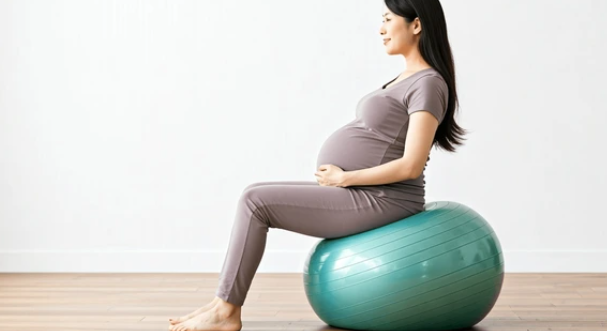
The Pelvic Floor: What Is It?
To appreciate pelvic floor health, you need to know what it is. This group of muscles stretches like a hammock, supporting vital organs and playing a key role in several important functions:
Supporting pelvic organs, such as the uterus, bladder, and rectum.
Controlling bladder and bowel functions, preventing issues like incontinence.
Influencing sexual function and sensations.
During pregnancy, hormonal changes and the added weight of a growing fetus can weaken these muscles, increasing the risk of complications like incontinence and pelvic pain. Studies indicate that up to 30% of women experience pelvic floor dysfunction during the first year postpartum. Awareness and preparation can make a significant difference.
Why Pelvic Floor Health Matters During Pregnancy
Understanding why pelvic floor health should be on your radar is crucial. Here are some key reasons that highlight its importance:
1. Preventing Incontinence
Urinary incontinence is a common issue during and after pregnancy. The expanding uterus exerts pressure on the bladder, which can lead to leaks when laughing, sneezing, or even exercising. A study found that 34% of women reported urinary incontinence during pregnancy. Strengthening your pelvic floor muscles can help counter this pressure and reduce the risk of leakage.
2. Aiding Labor and Delivery
A common misconception is that a strong pelvic floor is only essential for postpartum recovery. In reality, a functional pelvic floor can ease labor. These muscles help you control pushing during delivery, which can improve the baby's position and may lead to shorter labor times. Engaging in pelvic floor exercises like Kegels not only prepares your body but may also shorten your recovery time.
3. Enhancing Sexual Health
Many women notice changes in their sexual health during pregnancy, such as discomfort or lack of interest. Strengthening pelvic floor muscles can enhance blood flow and tone, improving sexual experiences. In fact, women who practiced pelvic floor exercises speak of an increase in sexual satisfaction during pregnancy.
4. Reducing Back and Pelvic Pain
Pregnancy can lead to various aches and pains, particularly in the back and pelvic region. A robust pelvic floor contributes to a well-rounded core, relieving pressure on the back and pelvis. Keeping these muscles engaged helps promote better posture and support, potentially reducing the risk of severe pregnancy-related pain.

5. Supporting Postpartum Recovery
After giving birth, your body undergoes dramatic changes that require time to heal. A strong pelvic floor can facilitate a smoother postpartum period. It lowers the risk of pelvic floor dysfunction, incontinence, and pelvic organ prolapse, which affect up to 50% of women after childbirth. Investing in pelvic health during pregnancy prepares your body for effective recovery.
How to Maintain Pelvic Floor Health During Pregnancy
Now that you see how vital pelvic floor health is, let’s look at practical steps to keep those muscles strong.
1. Practice Kegel Exercises
Kegel exercises are designed to strengthen the pelvic floor muscles. These exercises can easily fit into your daily routine.
How to do a Kegel:
Identify your pelvic floor muscles by trying to stop urination mid-flow; these are the muscles you want to strengthen.
Contract these muscles for 3-5 seconds, then relax for the same amount of time.
Repeat this 10-15 times in a row, several times a day.
Gradually increase the duration and repetitions as you build strength.
2. Stay Active
Engaging in physical activity is beneficial for your overall health and particularly for pelvic floor strength. Moderate exercises like walking or swimming promote muscle engagement throughout your body. Aim for at least 150 minutes of moderate exercise each week, including movements that target the pelvic floor.
3. Focus on Proper Posture
Good posture helps distribute weight evenly, reducing pressure on your pelvic floor.
To maintain proper posture:
Align your hips over your knees and ankles.
Sit and stand tall, engaging your core muscles.
Avoid crossing your legs while sitting.
Good posture affects not just pelvic floor health but overall comfort during pregnancy.
4. Yoga and Pilates
Prenatal yoga and Pilates offer additional benefits for your pelvic floor. These practices focus on body awareness and control essential for effective pelvic strengthening. Look for classes tailored for pregnant women to ensure safe poses for your stage of pregnancy.
5. Consult a Pelvic Floor Specialist
If you're unsure how to strengthen your pelvic floor or have issues, consulting a specialist is wise. A physical therapist focused on pelvic health can offer personalized guidance, creating a plan tailored to your needs.
What to Avoid
While improving pelvic floor health is crucial, also be aware of certain pitfalls.
1. Avoid Heavy Lifting
Lifting heavy objects can stress your pelvic floor. If you must lift, bend your knees and engage your core to minimize strain.
2. Steer Clear of High-Impact Exercises
High-impact activities, especially jumping, can harm pelvic floor health. Opt for low-impact workouts to help maintain muscle strength without excessive pressure.
3. Don’t Ignore Signs of Trouble
If you experience urinary incontinence, pelvic pain, or unusual discomfort, seek medical advice. Ignoring these signs can worsen issues, so consult a healthcare professional or pelvic floor specialist promptly.
The Takeaway

Pregnancy is a transformative journey, and caring for your pelvic floor health is vital for ensuring a smoother experience for you and your baby. By recognizing the significance of these muscles, practicing specific exercises, and seeking assistance when necessary, you're preparing for a healthier pregnancy and quicker recovery afterward.
Let’s change the narrative: why didn’t anyone tell me about the importance of pelvic floor health during pregnancy? It’s time to have these vital conversations. A healthy pelvic floor contributes to a happier, more comfortable pregnancy, and that is what every woman deserves.
Don’t allow pelvic floor health to remain an untold story. Embrace it as part of your pregnancy journey; it may change your experience for the better!
Let’s make pelvic floor health a topic of conversation—it’s time!



Comments